Cetacean Expedition-2026

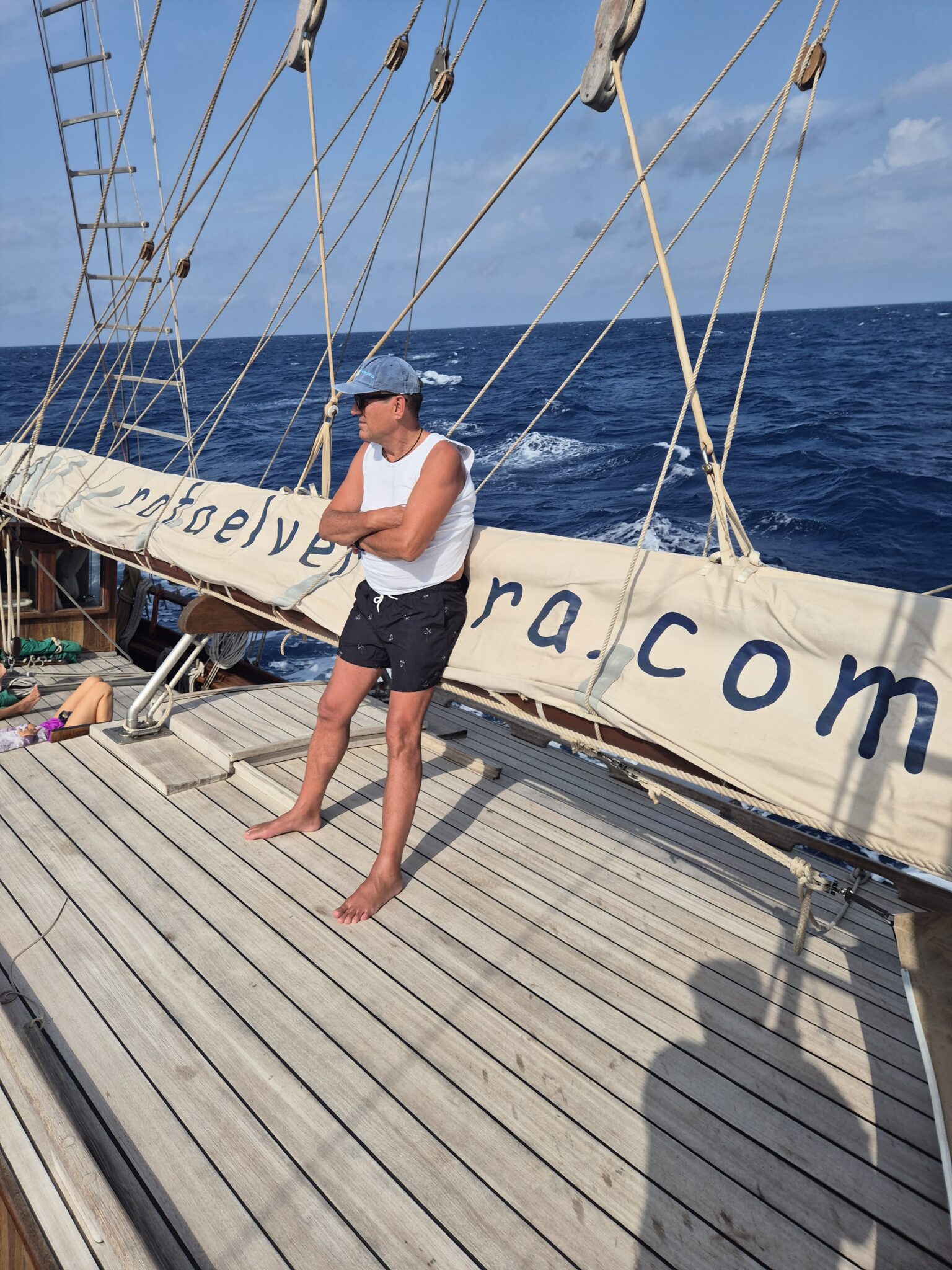
I had been thinking for a long time about bringing back the whale-watching expeditions that I had experienced as a child aboard the Rafael Verdera with my sister and my parents. This journey was about much more than simply organizing a few days of sailing. It was about returning to something that had been part of my childhood, but this time taking responsibility for it myself. The boat, the crew, the new organization of the hold, the passengers, the route… There were many pieces that had to come together and, to be honest, the most difficult thing to manage was probably my own expectations. I have incredible memories of those expeditions with my family, and there was always the fear that, years later, I would come back to it and discover that what I remembered was impossible to recreate.

When the Sea Puts the Verdera to the Test

Besides, the Mediterranean decided to make things difficult for us from the very beginning.

We set sail from Palamós with a weather forecast that did not look promising: southwesterly winds force 3–4 and some moderate swell. During the first few days, the conditions were far from ideal for spotting cetaceans, and we had to constantly adapt our navigation.

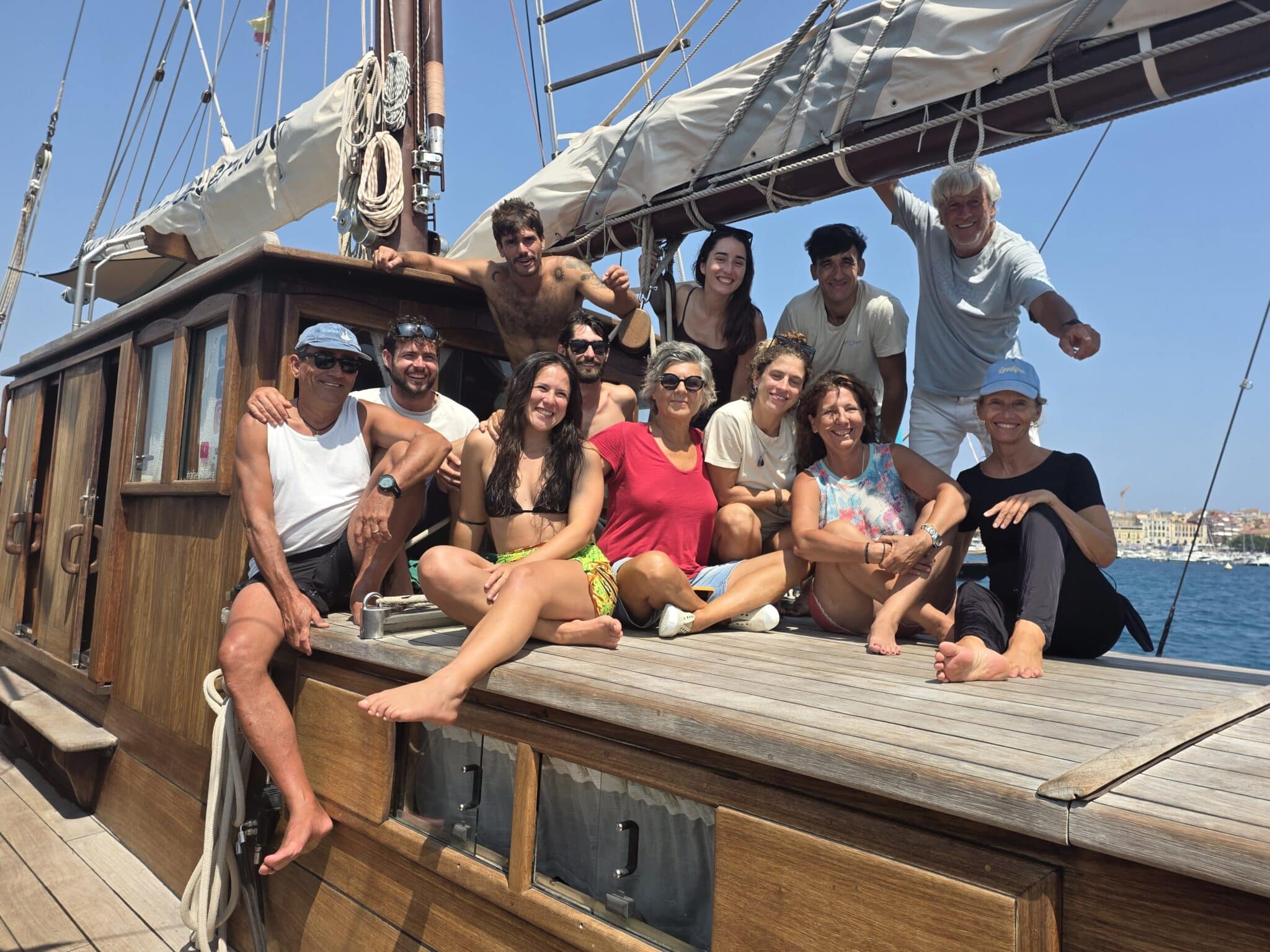
And that was where the group we had on board made all the difference.

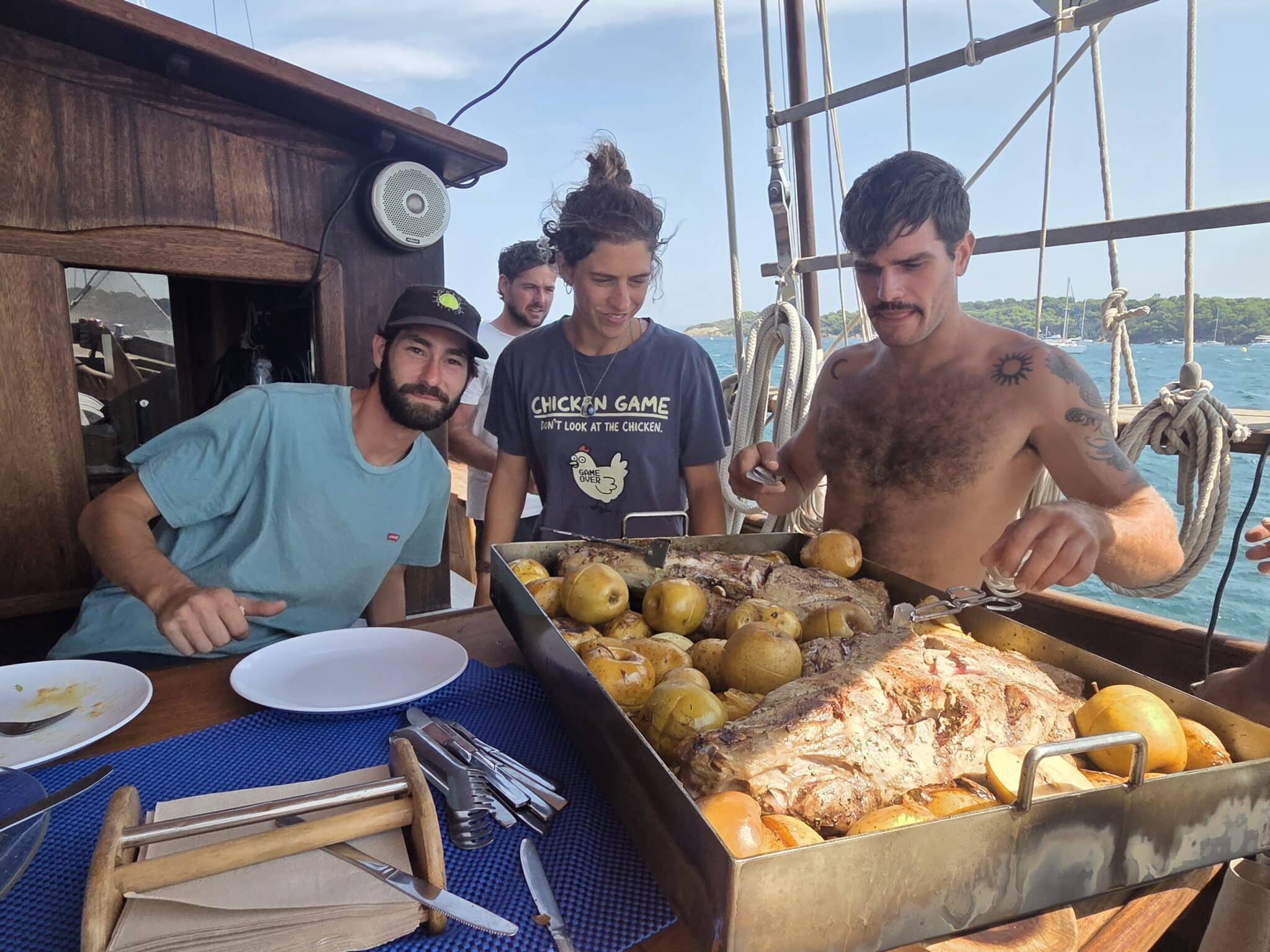
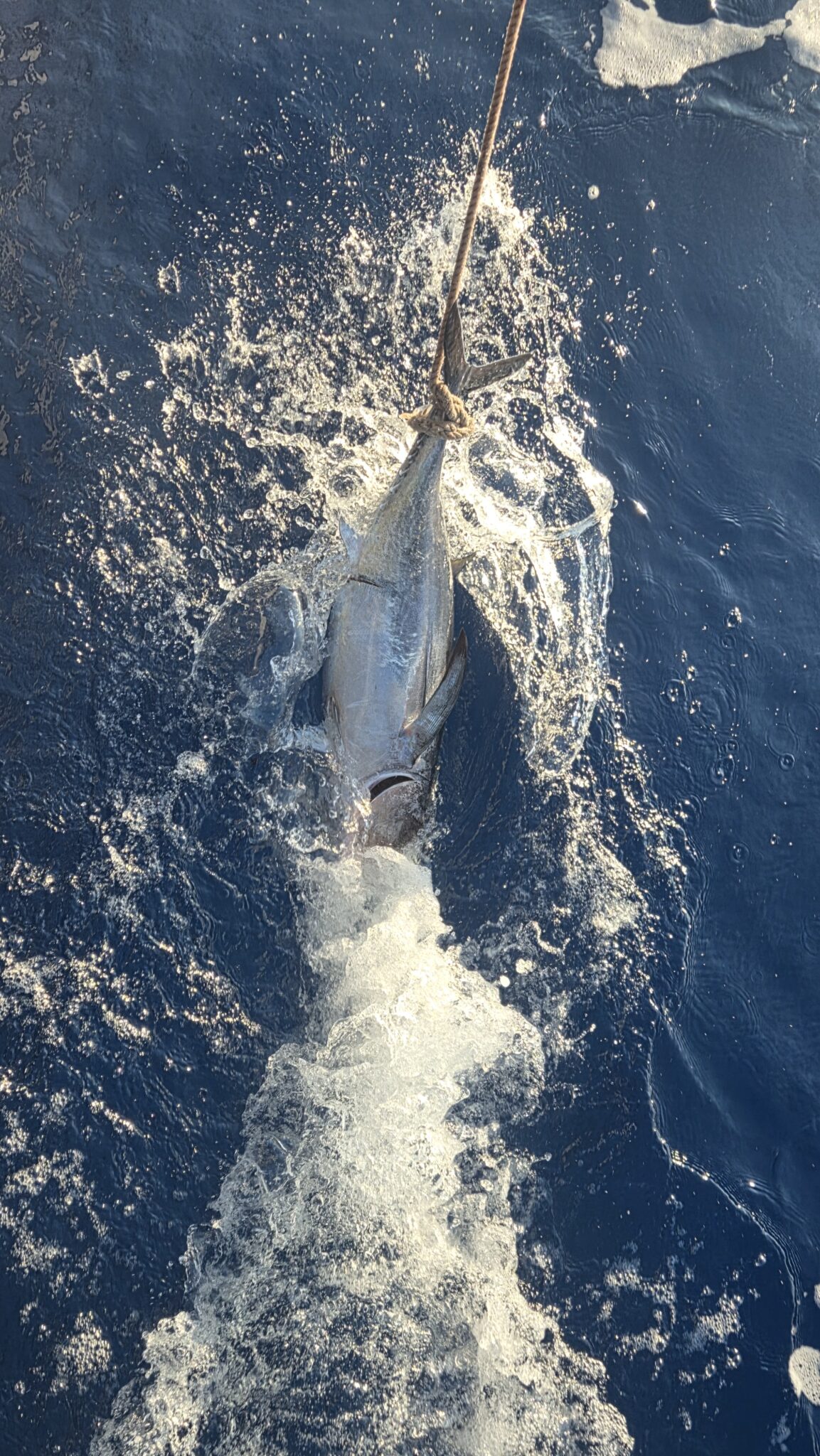
Their attitude throughout the entire journey was incredible. Patience, good humour and a willingness to enjoy themselves regardless of what the sea was doing. While there was a swell outside, inside we continued sharing meals, conversations and moments like that spectacular albacore we had caught the day before.

The conditions for spotting cetaceans were not favourable, and we had to head towards France in search of shelter. A strong Tramontana wind was expected, which would make it practically impossible to remain in the gulf.

“That is how the sea works, and that is how wild animals work: you can prepare an expedition for months, study routes and spend hours searching, but you can never decide what will appear in front of the bow or how the weather will behave.

And that is precisely where much of the magic lies.”

The Magic of the Western Mediterranean

Because while we were waiting to find one thing, the Mediterranean began to give us so many others.

Our first stop was at Baie de la Ciotat and, that night, taking advantage of the window created by the wind shifting from southwesterly to Tramontana, we sailed to Rade d’Hyères where we would remain sheltered for the following two days.

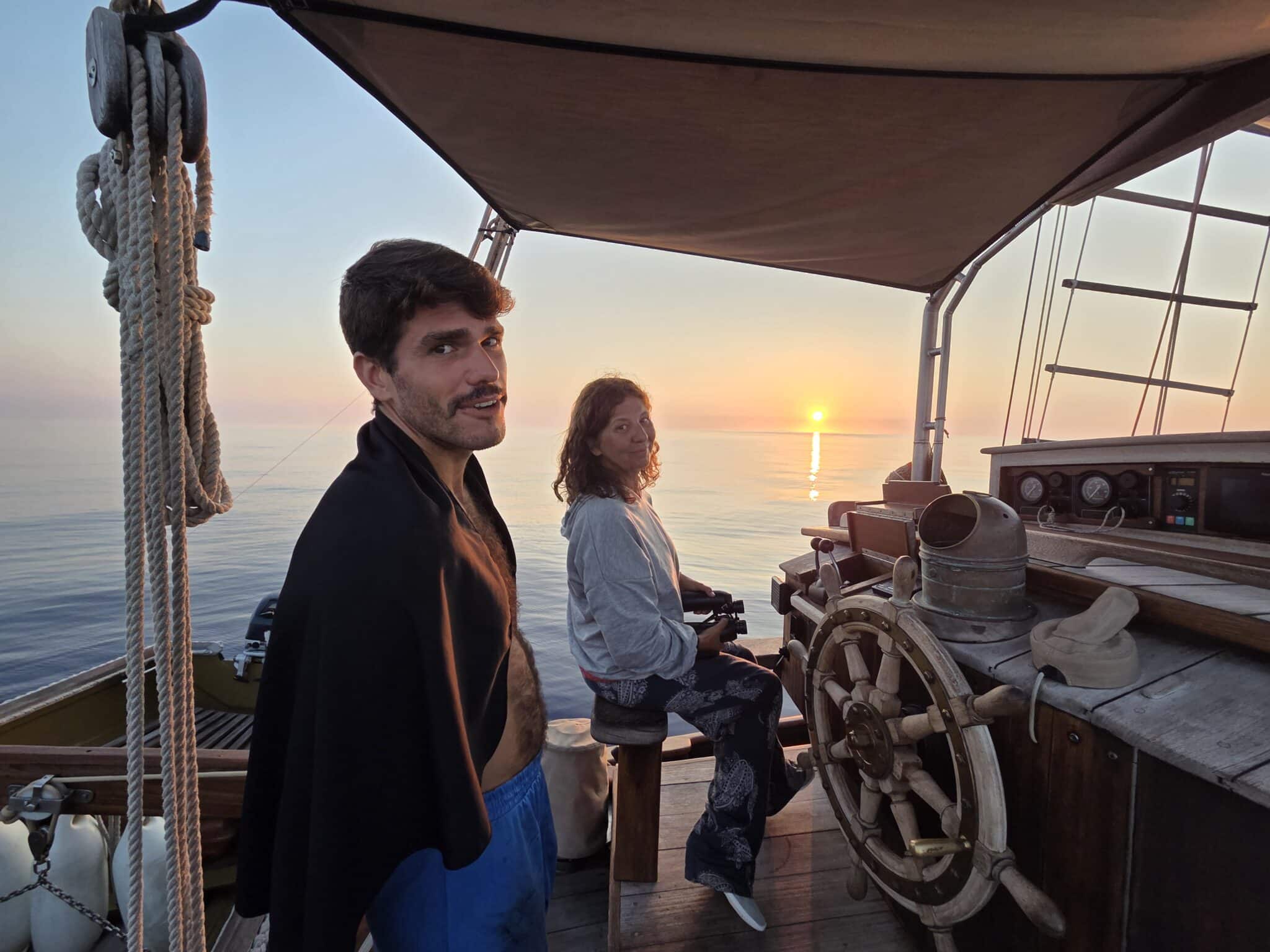
After this necessary break, resting, regaining our strength and completely rethinking the route, we set sail at dawn to make the most of the few spotting days we had left.

We had one hundred and fifty nautical miles ahead of us and barely three days before we had to be back in Palamós.

From that point on, the Mediterranean began to show us its other side.

Striped Dolphin

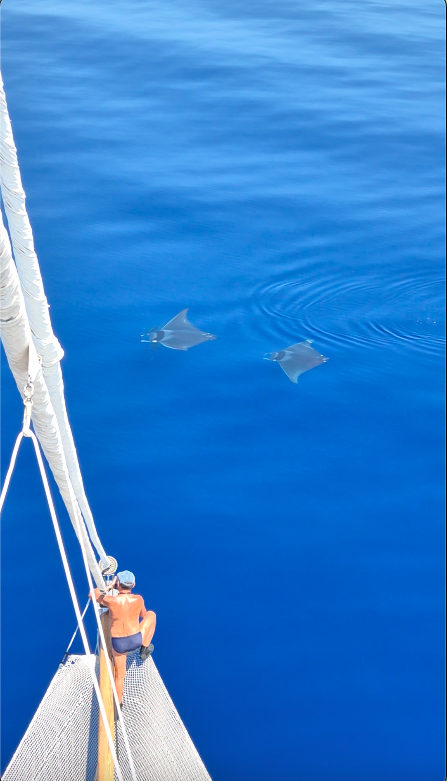
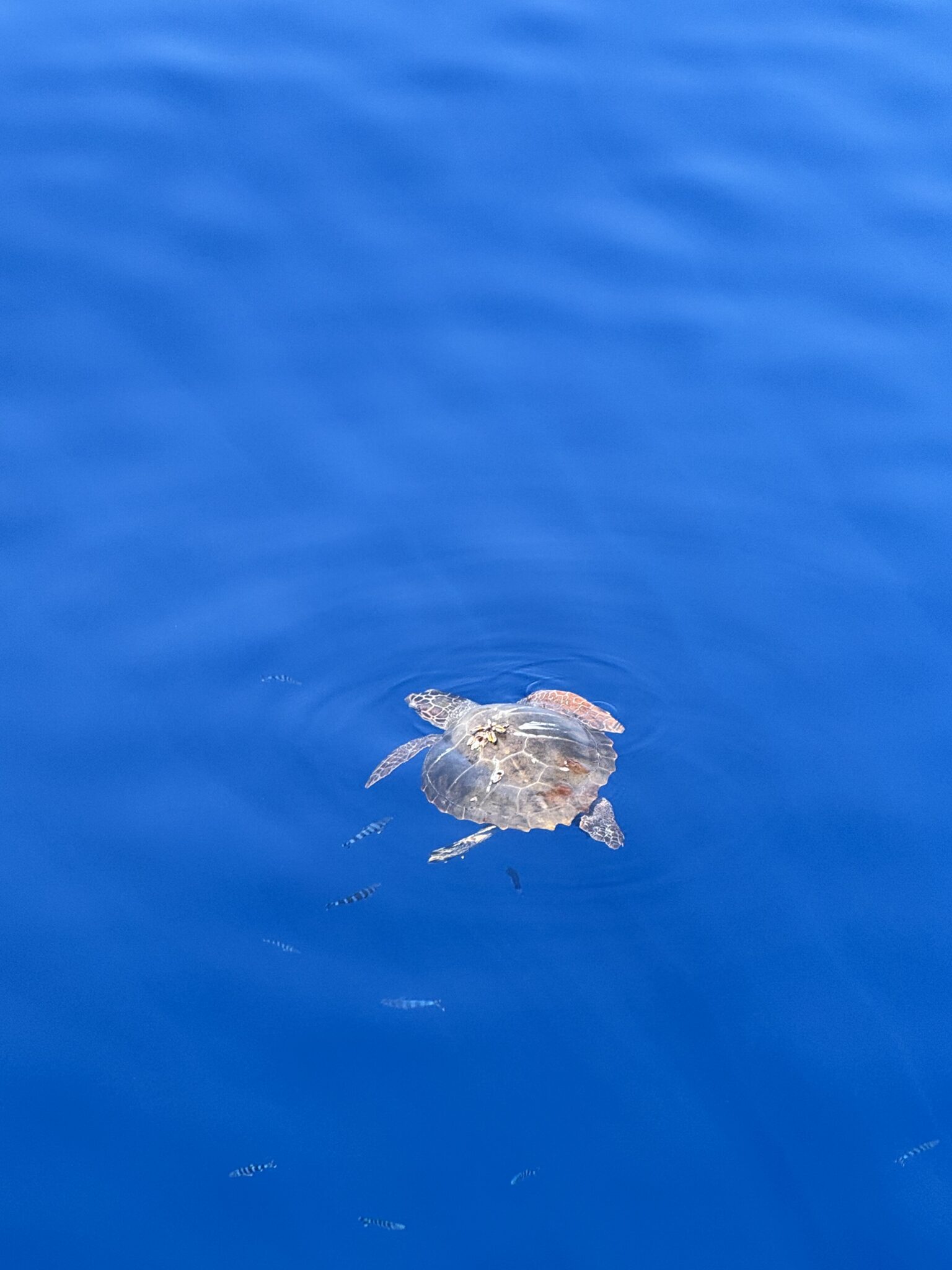
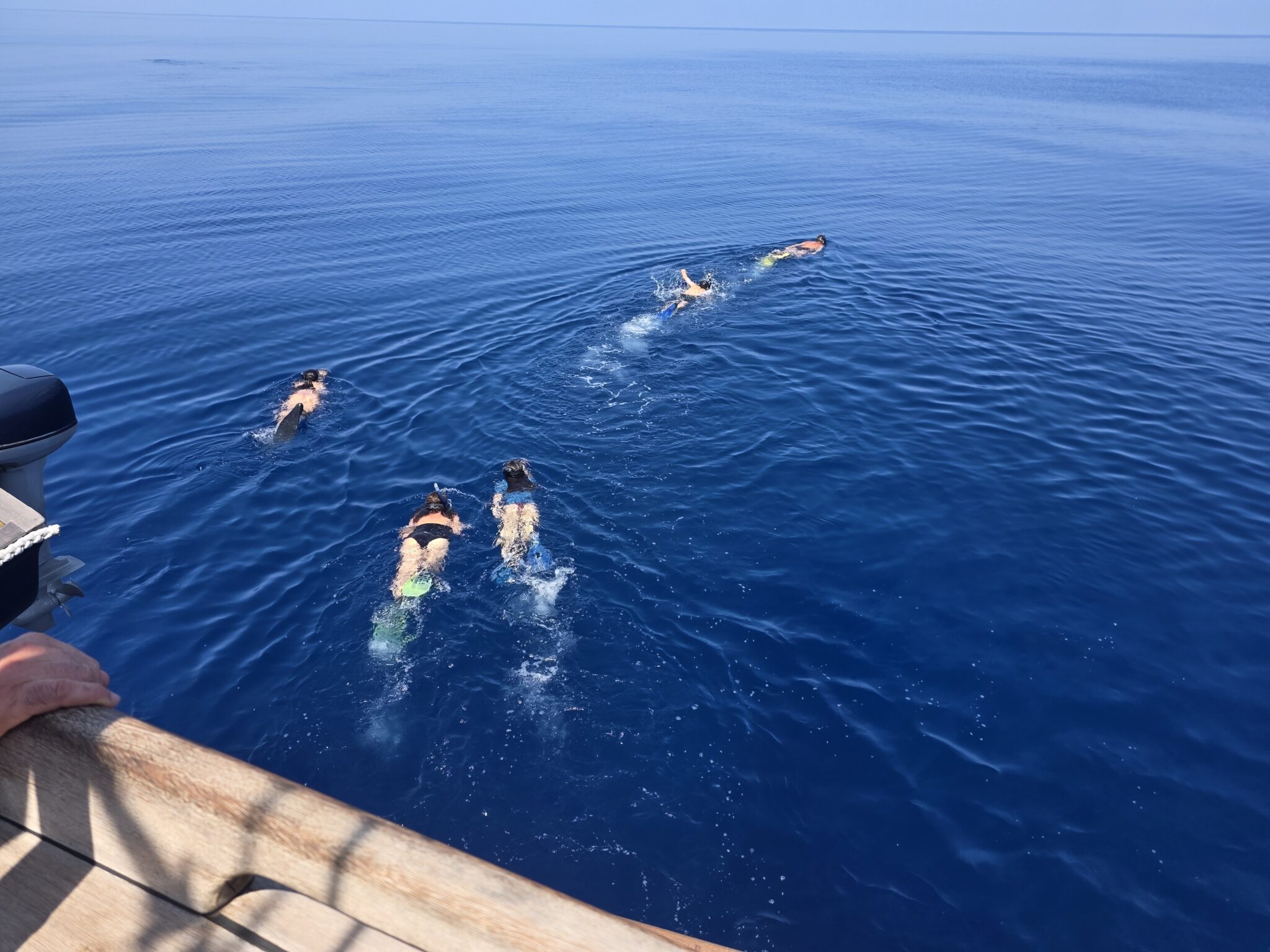
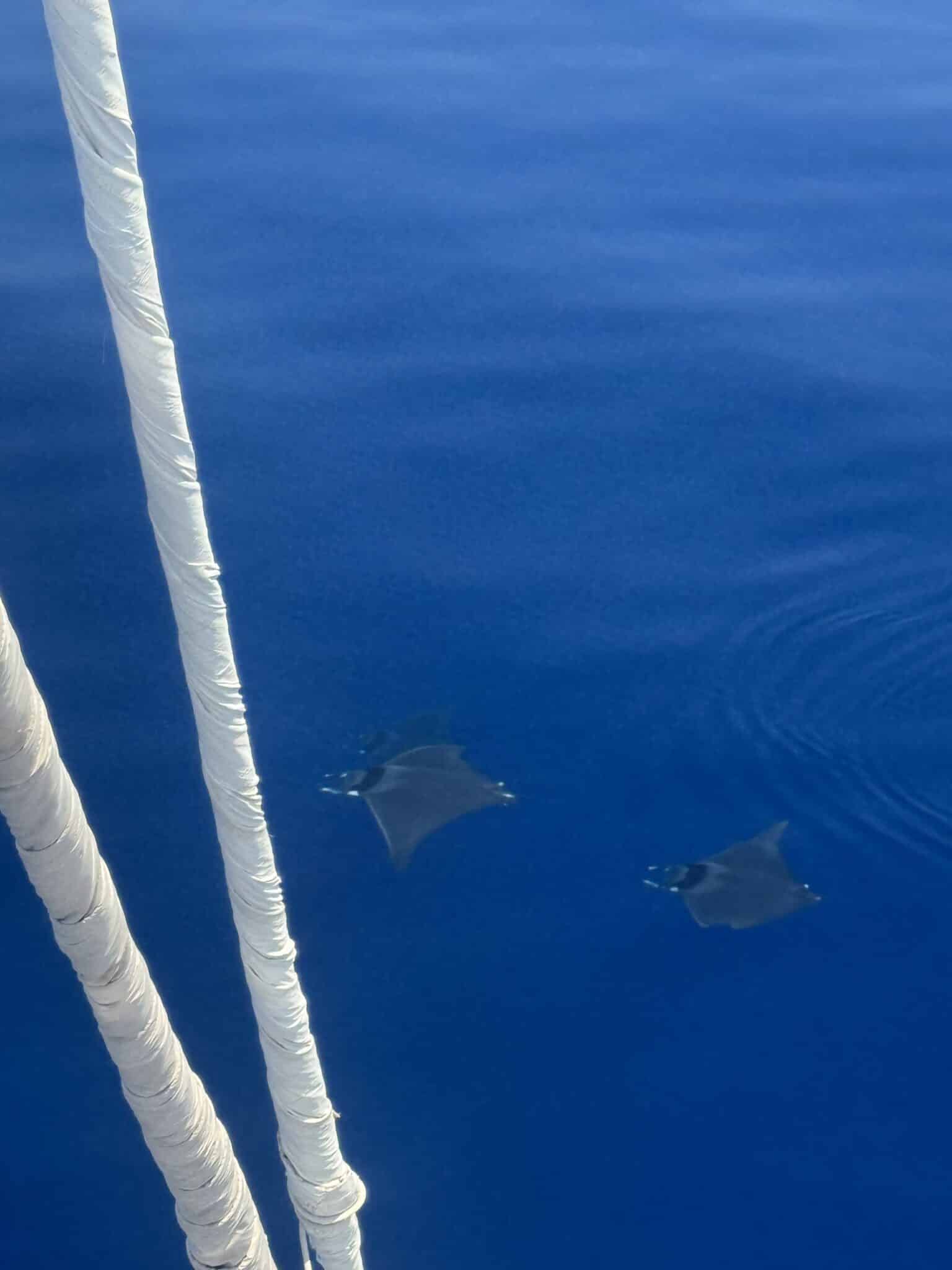
We had striped dolphins swimming alongside our bow for long minutes, and we saw ocean sunfish, manta rays, and several sea turtles swimming very close to the boat. We even spotted, just a few metres from the bow, a shark that we believe may have been a blue shark.

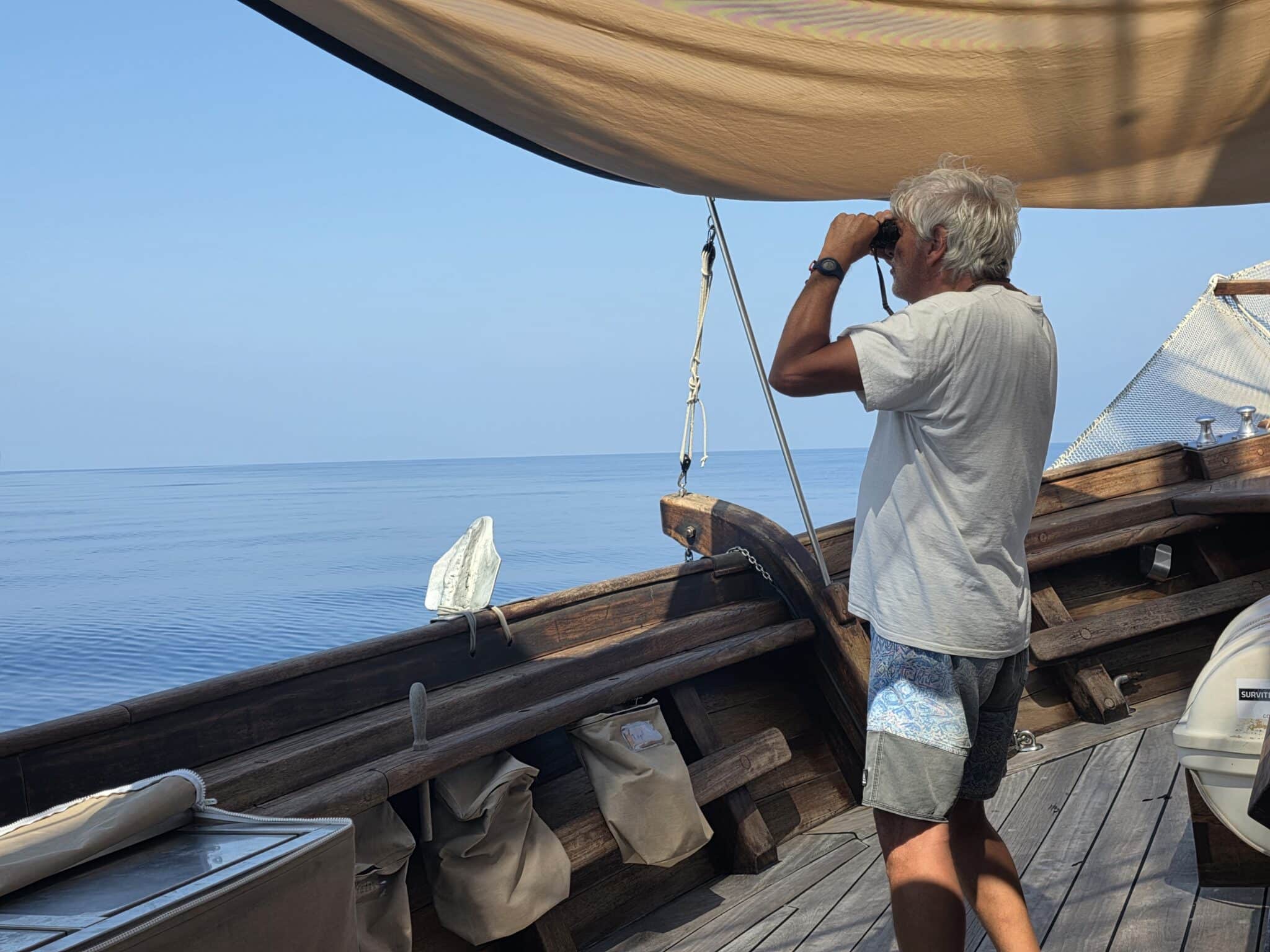
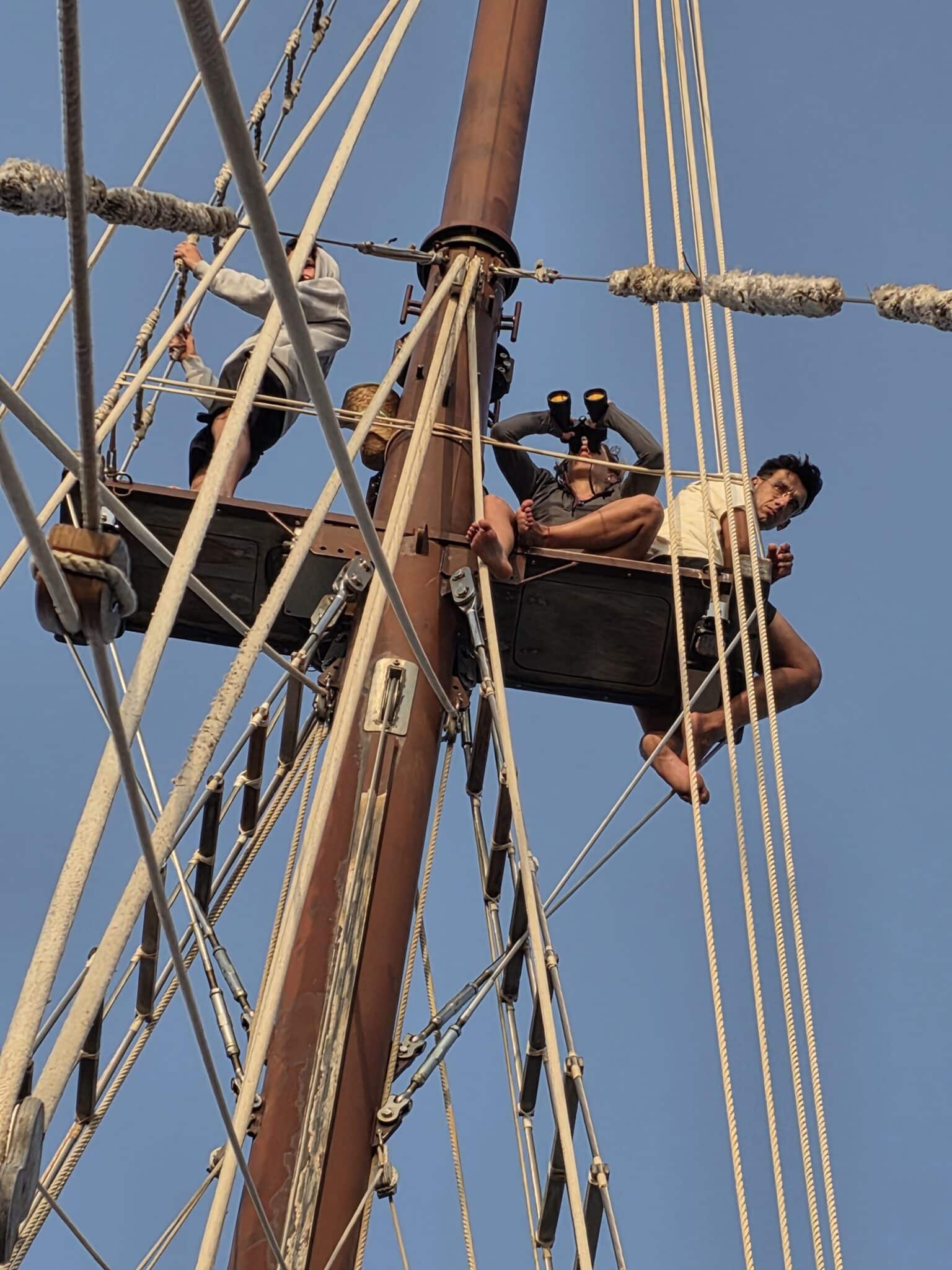
During one of the watches by our lookouts in the crow's nest, we suddenly heard: “Blow to starboard!”

You can imagine the excitement. Within seconds, we were all looking in that direction, some climbing into the rigging to gain height and try to see what it was. Some managed to spot another blow or two; others didn't even catch sight of the first one.

Shortly afterwards, a large tail emerged from the water before disappearing into the depths. We were unable to spot the cetacean again or identify it with certainty, although its behaviour strongly suggested that it may have been a sperm whale. Unlike the great rorquals, sperm whales usually raise their flukes clearly before making a deep dive.

And although the fin whale, which was one of our main targets, did not give us the close encounter we had been hoping for, the expedition ended up giving us far more than we could have expected.
In the end, that voyage, which had begun with bad weather and plenty of doubts, became exactly what I had hoped to find again when I decided to start organising these expeditions once more.

Not because everything went as planned.

Precisely because it didn’t.

We had to adapt, search, wait, change plans and accept whatever the Mediterranean wanted to teach us each day. And I think that sums up quite well what a true expedition is all about.

And, above all, we had managed to do it our way.

A huge thank you to the crew, who were impeccable throughout the entire voyage, and to every single person who chose to trust us and join us on this first great adventure.

The great voyages are back aboard the Rafael Verdera.

Here’s to many more miles and stories together.